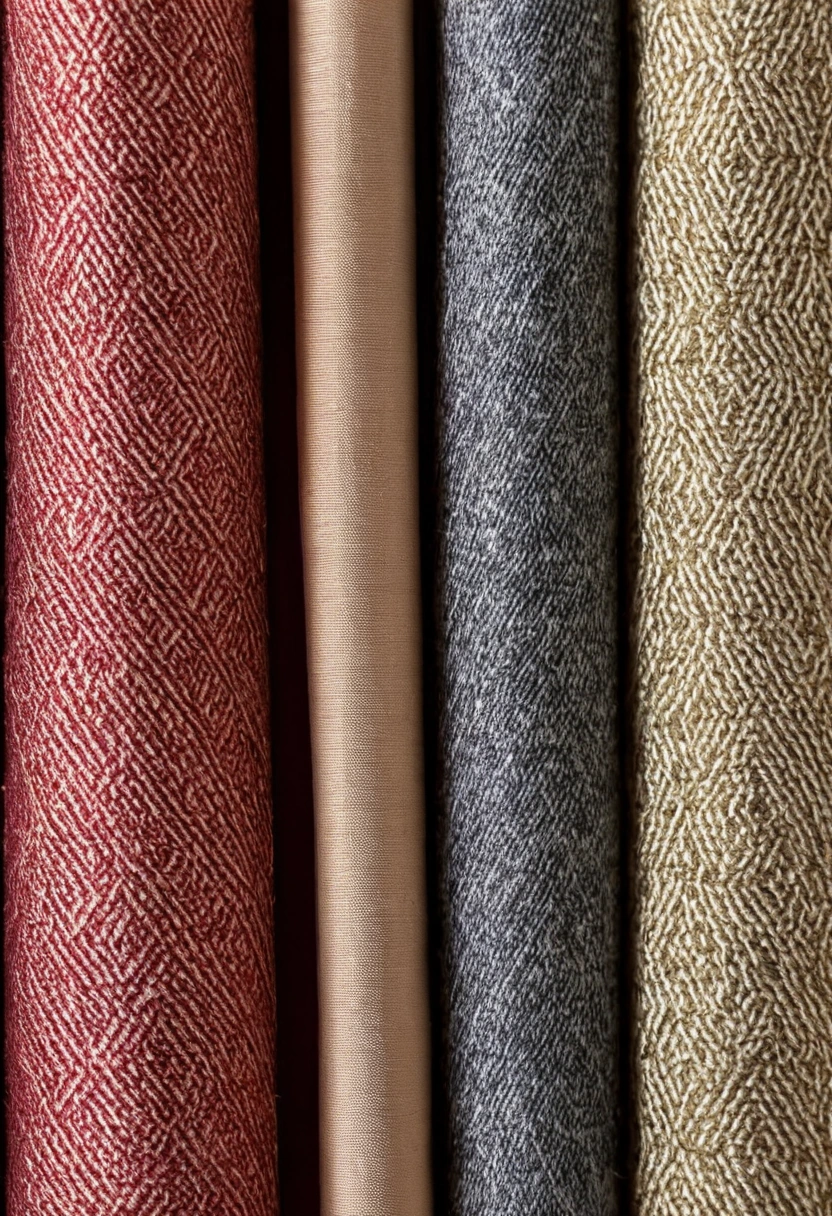
Specifying Textiles Across International Interior Projects
A fabric selected in one country may be made, tested, labeled, and installed in several others. Sarelli Textiles is an Italian manufacturer of furnishing fabrics and custom carpets. On an international interior project, the design team needs a material record that survives changes in units, market language, sample handling, and local approval requirements.
One attractive sample cannot carry the whole specification. A purchasing team may read a width in inches while the workroom cuts in centimeters. A local consultant may require a different test method from the one on a supplier sheet. A curtain may reach a site with a different glazing exposure from the showroom where it was approved. These are coordination problems that can be reduced by stating each condition explicitly.
Which product facts should remain identical across borders?
The exact product reference, fiber composition, construction, colorway, finish, usable width, pattern repeat, and approved physical sample should remain traceable through every market handoff. Translation can change labels, but it should not change the product being approved. A schedule should include the supplier’s original reference alongside any local purchasing code so the two can be reconciled before fabrication.
Units require care. Record measurements in the units supplied by the maker and give a checked conversion for the receiving workroom. For example, a 54 in width is 137.16 cm by arithmetic, but that calculation does not make 137.16 cm the usable width of a particular roll. The Association for Contract Textiles’ quality guidelines list 54 in as a common upholstery width and define usable width as excluding parts that cannot be used. The exact product width still needs verification.
Keep the approved sample in a controlled set rather than circulating a single swatch until it is lost. If a cutting for approval is sent to a different office, mark its date, lot, and direction. Compare it with the original under similar light before assuming the colors match. A photograph can document the comparison, but display color management differs across devices.

Do fiber labels mean the same thing in every market?
Fiber information is important everywhere, but the applicable labeling rule depends on the market and product. The U.S. Federal Trade Commission’s Textile Fiber Rule describes generic fiber names, percentages by weight, responsible business, and country information for covered U.S. products. The European Commission describes Regulation 1007/2011 as the EU framework for textile fiber names and composition labeling. Those are separate regimes, and exemptions can differ by product.
The United Kingdom’s government guidance says textile labels must show fiber content and addresses multi-component products. A multinational project should not copy a label prepared for one market into another without local review. The design team should preserve the supplier’s composition evidence and ask the responsible local party to confirm market-specific labeling and documentation.
Do not turn the design schedule into a legal opinion. Its job is to identify the intended destination, product category, and documents received. A local compliance specialist or importer can then determine the exact obligations. This division matters especially when a fabric becomes a finished chair, curtain, or rug, because the treatment of components and finished goods may differ.
| Field | Keep in original form | Check locally |
|---|---|---|
| Supplier reference | Style, color, lot, finish | Receiving order code |
| Dimensions | Maker’s units and usable width | Checked metric or imperial conversion |
| Fiber composition | Supplier declaration | Destination labeling rules |
| Performance | Method and report | Application and local project requirement |
| Care | Product instructions | Accessible handover language |
How should test reports be compared?
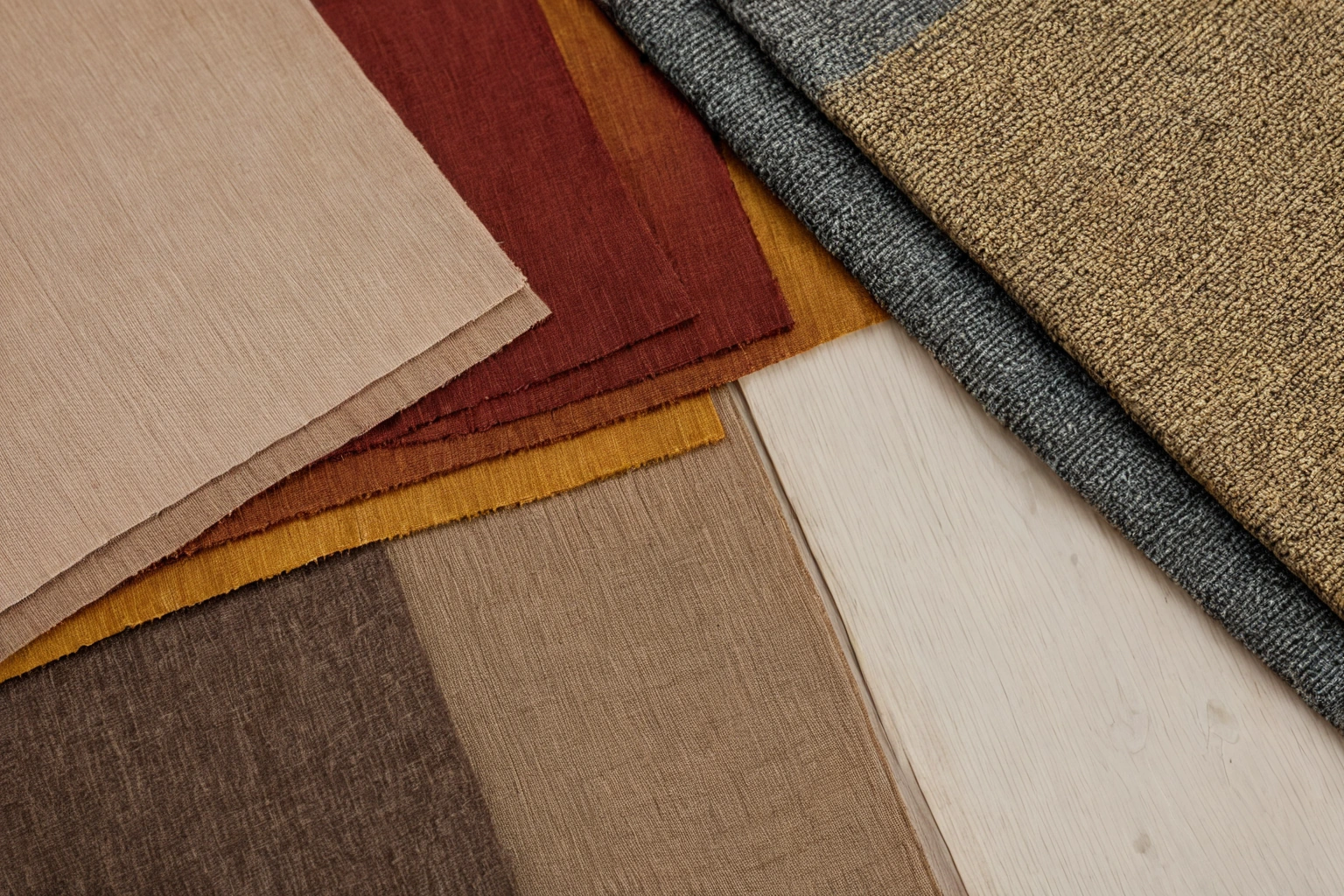
Compare tests by method, specimen, construction, intended use, and date, not by a single headline number. The Association for Contract Textiles’ voluntary guidelines separate woven, knit, and coated fabrics and distinguish upholstery, drapery, and other applications. A result for one construction or end use does not automatically cover another. The project team should ask whether the report belongs to the exact material being ordered.
ACT also states in its disclaimer that its voluntary marks do not guarantee compliance with every applicable law. An international project may have local fire, building, or procurement requirements beyond a supplier’s general data sheet. Record the destination and use, then obtain a local review before the order is made. This is especially important for public interiors where a mistake can require replacement after installation.
Use a comparison sheet that names each proposed test in full. If one supplier reports Wyzenbeek abrasion and another reports Martindale, do not make an unsourced numerical conversion. Ask what the local specifier requires and how the relevant fabric performs under that method. A missing result should remain a visible gap until it is resolved.
How do transport and site conditions affect approval?
Transport and site conditions can affect the schedule even when the material itself is unchanged. A curtain that arrives before the track is installed cannot be finally checked for length. A rug stored during construction may be exposed to dust or moisture. A textile packed for a long journey may need time to relax before final inspection. The receiving party should know when and where each item will be opened and checked.
The site review should compare delivered goods against the approved sample in the finished room. Verify color under the actual lighting, width and length against the drawings, pattern direction, and any damage or contamination. If a difference appears, document it before cutting or installation. The cost of a delayed decision is usually smaller than the cost of fabricating the wrong material, though no universal cost figure can be asserted.
Care information must reach the eventual operator, not remain only in a supplier email. The ISO 3758:2023 standard page describes a system of care symbols for textile articles, but a finished interior assembly may need written instructions covering lining, trim, backing, and installation hardware. Provide the exact maker guidance in the language the maintenance team can use.
What is the final international approval record?
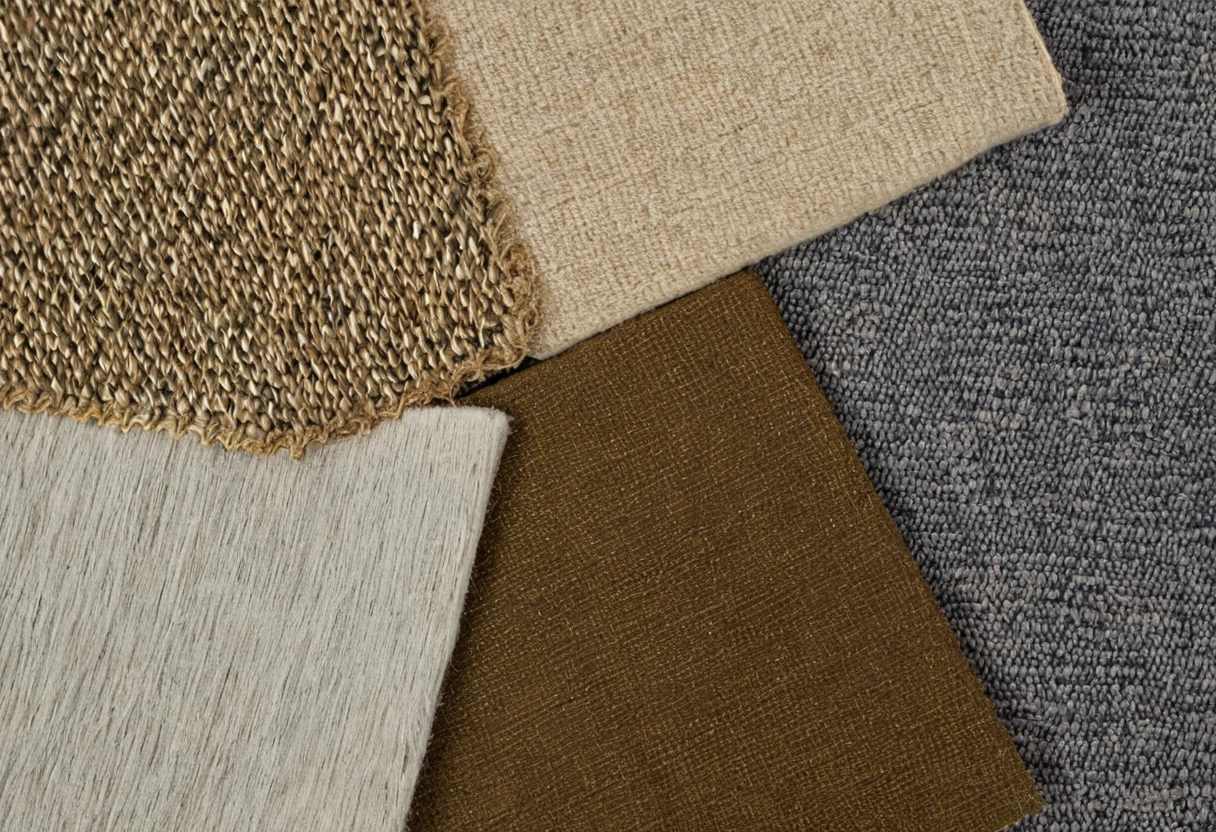
The final record should identify the exact material, market, intended use, local reviewer, approved sample, test documents, dimensions, fabrication drawing, and care handover. It should also state any unresolved exception. A team can then make a deliberate decision instead of assuming that an overseas supplier sheet answers every local question.
- Keep original supplier references and checked unit conversions together.
- Separate design approval from legal or code review.
- Compare test methods only within their stated conditions.
- Inspect delivered goods against the retained physical sample.
- Handover care in a form the operator can use.
International textile work is a sequence of accountable handoffs. A precise schedule lets a fabric chosen for its appearance remain the same fabric through purchasing, local review, workroom cutting, installation, and care. That continuity is the practical value of the specification.
Currency and lead time should sit beside material identity, but neither should be confused with a fixed product property. A quotation may change before procurement; a delivery date may depend on a sample approval or production slot. Record the quotation date, incoterm or delivery scope supplied by the seller, and the point at which the order becomes binding. A design team should not infer shipping or tax treatment from a fabric sample. Those terms require a separate commercial review.
Patterns need an equally careful handoff. A supplier may state vertical and horizontal repeat in centimeters while a workroom estimates yardage from an inch-based drawing. Preserve the original figures, convert them with checked arithmetic, and have the maker confirm the cutting plan. If the pattern has a directional top, show it on the drawing. A conversion error or an upside-down motif can affect every panel even when the product reference is correct.
Finally, distinguish sample approval from lot approval. A retained swatch proves what the designer selected; a cutting from the production lot shows what will be made. Compare them under the intended light before accepting a large run. If they differ, the decision should be recorded explicitly. International coordination is easier when every office knows which physical piece is the master reference.