How do you vet a high-end bedroom interior designer after moving to a new city?
A beautiful bedroom photograph cannot show who notices a damaged custom nightstand before the claim window closes. The strongest local designer is not necessarily the firm with the most seductive portfolio. It is the firm that can document authority, procurement, receiving, insurance, and oversight.
A high-end bedroom interior designer must pass the local legal and professional screen first
Establish what “interior designer,” “registered interior designer,” and “decorator” mean in the project’s city, state, and country before judging style. Title protection, practice authority, and permit rights vary. NCIDQ certification is a professional credential, not universal permission to perform regulated work.
What does NCIDQ certification establish, and what does it not establish?
CIDQ eligibility documentation ties examination eligibility to education and verified experience while directing candidates to check jurisdiction-specific licensing or registration requirements. Ask for the certificate holder’s name and status. Then establish whether that person, rather than an impressive principal absent from daily work, will lead the bedroom interior design.

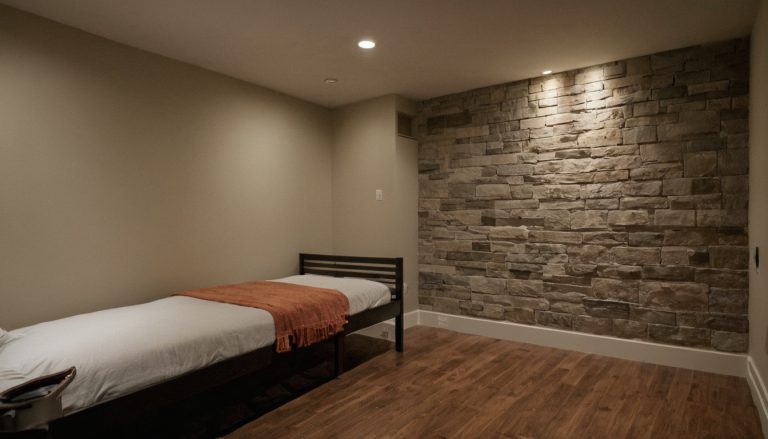
A high-end bedroom interior designer must pass the local legal and professional screen first shown with floor, wall, and fixture relationships visible.
| Claim made | Document requested | Verifying entity | Appointment consequence |
|---|---|---|---|
| “NCIDQ certified” | Named certificate holder and current status | CIDQ and the local regulator | Continue only if the assigned person and authority are clear |
| “Registered interior designer” | Registration record under the legal business or individual name | State licensing authority | Reject an unsupported protected-title claim |
| “We handle permits” | Responsibility schedule naming signatories and consultants | Local building department | Do not appoint until responsibility is contractual |
IIDA New England distinguishes practice acts from title acts. As a narrow example, Iowa protects the title “registered interior designer”. That protection does not mean registration is required for every decorating service.
Who is legally responsible when bedroom work requires permits or technical drawings?
Partition changes, wiring, lighting controls, egress, or sprinkler work require a project-specific check with the local building department. For example, Lawrenceville, Georgia, requires submitted construction plans to be prepared by a licensed design professional under its stated process. The contract should name who reviews code, signs drawings, files permits, retains the architect or engineer, and coordinates inspections.
Once legal authority and technical responsibility survive scrutiny, the portfolio must prove relevant judgment rather than merely a recognizable look.
A bedroom interior design portfolio should prove relevant judgment, not merely a recognizable look
For an occupied primary bedroom, a useful portfolio shows resolved plans, lighting, storage, window treatments, custom bedding, and installation details. Ask what the firm controlled, whether the photographs show completed client work, and whether the proposed team delivered it under comparable local conditions.
Does the firm provide independent design advice or primarily sell furnishings?
- Request two or three bedrooms comparable in scope, property type, occupancy, and jurisdiction. Obtain the completion date, scope, project lead, consultants, and items supplied by retailers or architects.
- Ask for redacted furniture plans, lighting plans, millwork drawings, window-treatment details, and installation records. Confirm that the proposed lead materially contributed.
- Require a written service description covering measurement, design development, documentation, procurement, installation, and follow-up. Disclose retail affiliations, commissions, referral fees, rebates, and whether approved goods may be purchased elsewhere.
- Ask whether photographs were editorially styled, digitally altered, or supplemented with borrowed merchandise. A handsome borrowed chair proves little about delivery.
Can the designer solve bedroom-specific constraints before selecting decoration?
Ask the designer to prepare a measured bedroom brief around bed placement, clearances, and storage access, including door swings, outlets, HVAC conditions, charging, dressing, pets, housekeeping, accessibility, and blackout needs. Require named responsibility for field verification. Then ask how the firm would evaluate bedroom finishes for cleaning, acoustics, and fire safety.
Good judgment on paper is only the first test. Local procurement capacity determines whether that judgment survives ordering, receiving, and installation.
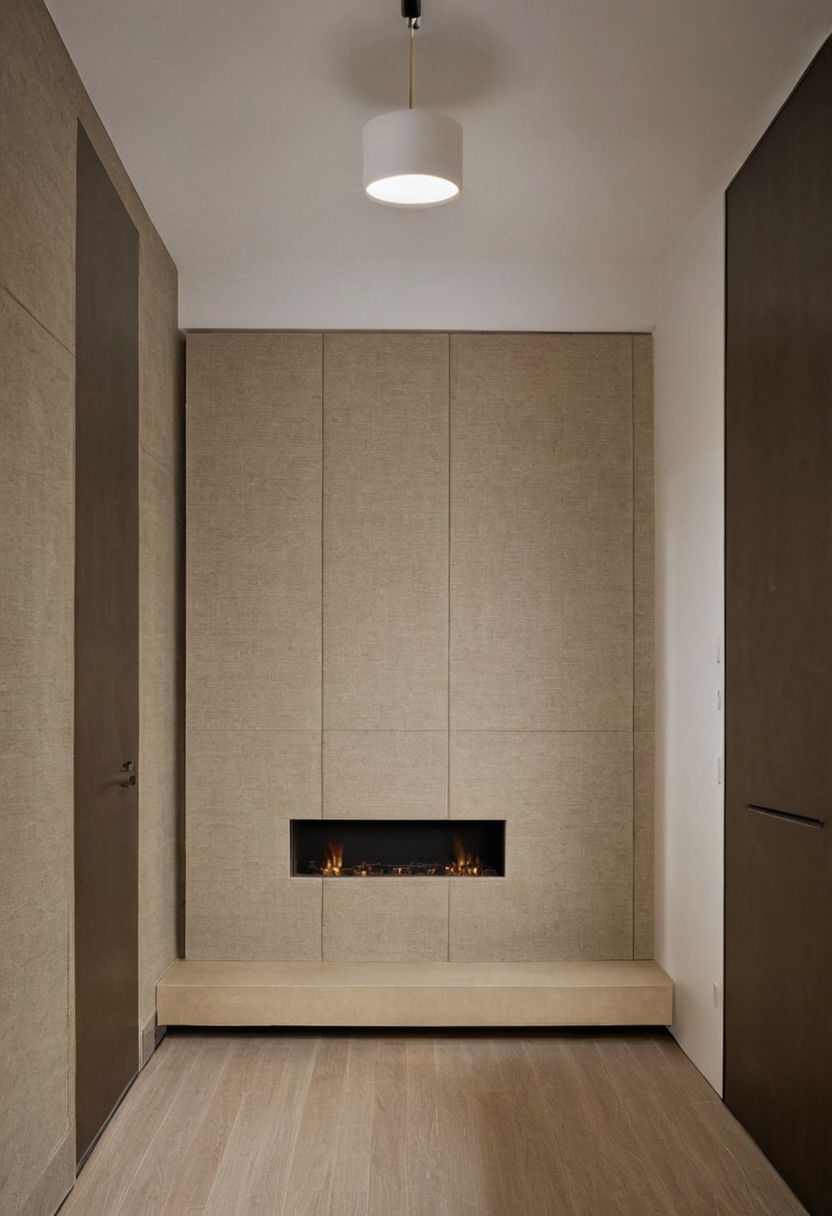
A bedroom interior design portfolio should prove relevant judgment, not merely a recognizable look shown as an editorial reference for proportion and finish coordination.
Local procurement capacity matters more than a designer’s showroom vocabulary
Luxury interior design depends on unglamorous infrastructure: active trade accounts, accurate purchase orders, insured receiving, prompt inspection, claims management, reliable workrooms, and supervised installation. A trade discount alone does not prove that a firm can deliver an intact bedroom.
What does genuine trade-showroom access allow the bedroom designer to do?
Genuine access may permit sampling, memo requests, specification assistance, trade ordering, and escalation when an order fails. Policies vary by showroom and may require business credentials, resale documentation, professional qualifications, appointments, or minimum orders.
- Request an active-account check for each principal furniture, textile, lighting, and wallcovering source proposed. Confidential discount percentages need not be disclosed.
- Build a capability matrix naming responsibility for specification, quotation, ordering, acknowledgment review, expediting, receiving, inspection, storage, delivery, installation, claims, and warranty follow-up.
- Name the local network: receiving warehouse, white-glove carrier, drapery workroom, upholsterer, electrician, millworker, installer, and art hanger, with service areas confirmed for the delivery address.
How should a receiving and claims system be tested before furniture is ordered?
A receiving system should be tested on paper before a custom nightstand enters a freight terminal. Request:
- A current warehouse insurance certificate and written intake-inspection protocol.
- A redacted receiving report showing carton counts, photographs, condition notes, and claim escalation.
- Vendor deadlines and procedures for concealed damage, shortages, defects, and freight claims.
- Storage terms, release authority, delivery scheduling, and responsibility for accumulated charges.
- Building rules for insurance certificates, delivery windows, freight-elevator reservations, floor protection, and approvals.
- Written allocation of risk of loss, repair, replacement, freight, storage, and reinstallation costs through final installation.
Once that chain is visible, the next question is contractual: how the firm is paid and who controls each purchase.
The bedroom design contract must reveal how the firm is paid and who controls each purchase
Compare bedroom design proposals by reconstructing the complete commercial arrangement, not by isolating an hourly rate. For the same written scope, identify design and purchasing compensation, retainers, deposits, tax, freight, storage, installation, cancellation exposure, and reimbursable expenses. No order should proceed without written approval authority and a traceable invoice path.
Who is the seller of record for bedroom furniture and custom work?
Request a redacted sample proposal, purchase authorization, purchase order, vendor invoice, and client invoice. The documents should identify the legal entities acting as seller, purchaser, consignee, and warranty claimant. The agreement should allocate title, risk of loss, tax collection, refunds, credits, vendor insolvency, and claims. Custom orders require explicit cancellation and nonreturnability terms, not a reassuring email.
How can clients compare designer fees without relying on a misleading cost-per-room figure?
Normalize every proposal against one bedroom brief: room boundaries, deliverables, revision rounds, meetings, travel, procurement, installation, and closeout. Separate professional fees from procurement fees, disclosed markups, commissions, rebates, furnishings, tax, freight, warehousing, construction, and contingencies. Record exclusions, approval thresholds, change-order triggers, overdue-approval consequences, and the treatment of unused purchasing funds.
The contract establishes commercial control. References, insurance certificates, and project records reveal whether the firm exercises that control competently.
References, insurance, and project controls expose the risks that portfolios conceal
Before appointing a firm, verify its contracting entity, insurance, references, document controls, and escalation procedure. Request a current certificate showing the insured name, carrier, policy types, limits, and effective dates. Compare it with building-management requirements for designers, contractors, carriers, and installers.
Which reference questions reveal procurement and oversight failures?
Contact two recent clients, with permission, whose projects involved comparable bedroom work and local procurement. Ask whether quotations and written approvals preceded commitments; how promptly delays, damage, substitutions, and budget changes were reported; who attended measures, deliveries, installation, and punch-list visits; and whether credits, warranties, storage charges, or unfinished work survived closeout.

References, insurance, and project controls expose the risks that portfolios conceal shown with floor, wall, and fixture relationships visible.
Review redacted samples of the schedule, decision log, budget report, specification register, purchase-order tracker, and punch list. Insurance should match the actual scope rather than a generic checklist.
Which red flags justify removing a bedroom designer from the shortlist?
- Mismatched business names, expired insurance, unverifiable credentials, or no identified contracting entity.
- Pressure to order before scope, dimensions, terms, and approvals are recorded.
- No receiving, inspection, claims, installation, or written change-order process.
- Broad purchasing authority without corresponding approval and reporting controls.
A paid diagnostic phase is the safest final test of the remaining designer.
A paid diagnostic phase is the safest final test of a shortlisted bedroom designer
When two qualified firms remain, appoint one for a limited, paid bedroom diagnostic before authorizing procurement. Fix the scope, fee basis, payment timing, timetable, meetings, revisions, deliverables, and stopping point. Require a site survey, needs assessment, preliminary furniture plan, outline lighting and window-treatment strategy, budget framework, schedule, and risk register.
What should the homeowner prepare before the first bedroom design meeting?
Provide the survey, floor plan, photographs, building rules, occupancy target, and known construction constraints. Inventory furniture, art, lighting, bedding, and technology to retain. Record routines, privacy, storage, accessibility, maintenance, and sleep-light preferences. Separate professional services, furnishings authorization, and construction scope so both candidates answer the same brief rather than producing unrelated mood boards.

A paid diagnostic phase is the safest final test of a shortlisted bedroom designer shown as a planning reference for layout, scale, and material decisions.
How should the final designer decision be scored?
Apply pass-fail gates to legal standing, insurance, contract transparency, references, and conflicts. Then weight bedroom planning, team continuity, local resources, procurement controls, documentation, schedule control, communication, and interpersonal fit. The diagnostic agreement should prohibit purchases without separate written authorization, define permitted use of drawings, and require an orderly handover if the appointment ends. Record every accepted assumption in the final agreement, then proceed, revise the scope, or stop.